
Seasonal Home Maintenance in Florida: A Year-Round Guide
Owning a home in Florida comes with unique perks—sunshine, coastal breezes, lush landscapes—as well as challenges. Unlike many northern states, Florida doesn’t have snowy winters, but it does have extreme humidity, heavy rains, hurricane season, and intense heat that affect how homes must be maintained. Staying on top of seasonal upkeep helps protect your investment, lower utility costs, and avoid expensive repairs.
Spring (March – May): Pre-Storm Prep & Humidity Control
As temperatures rise and humidity returns, spring is the time to prepare for Florida’s rainy and hurricane seasons.
Key tasks:
Roof inspection:
HVAC servicing:
Pest prevention:
Seal windows & doors:
Check irrigation systems:
Summer (June – August): Hurricane Readiness & Cooling Efficiency
Summer in Florida means long days, high heat, and the start of hurricane season.
Key tasks:
Hurricane prep:
Trim trees:
Gutter & drain clearing
Pool care:
Energy savings:
Fall (September – November): Post-Storm Recovery & Mold Prevention
After the summer storm season, fall is the time to assess any damage and prepare for the cooler, drier months ahead.
Key tasks:
Inspect for storm damage:
Mold & moisture check:
Service HVAC again:
Outdoor maintenance:
Clean and seal driveways / patios:
Winter (December – February): Mild Climate, Preventive Focus
Florida winters are mild, but this is the ideal time for deep maintenance while humidity is lower.
Key tasks:
Deep clean & declutter:
Check weatherstripping:
Fireplace & chimney cleaning (if applicable):
Outdoor projects:
Plan renovations:
Year-Round Tasks (Every 1–3 Months)

Some chores don’t wait for the season:
- Replace HVAC filters monthly.
- Clean gutters after every major storm.
- Check smoke & carbon monoxide detectors.
- Monitor humidity indoors with a hygrometer (ideal range: 40–50%).
- Walk around your property regularly to spot small issues before they escalate.
Final Takeaway
In Florida, home maintenance is less about freezing winters and more about managing heat, humidity, storms, and pests. By breaking tasks into seasonal checklists, homeowners can stay ahead of costly repairs and keep their properties resilient year-round.
5) Here’s a practical article on updates homeowners can make to increase their property’s value, especially useful for Florida homebuyers and sellers looking to maximize ROI.
Smart Home Updates to Boost Your Property’s Value

Whether you’re preparing to sell or simply building equity, strategic updates can significantly increase your home’s market value. Not every renovation yields the same return, so focus on improvements that buyers care about most.
1. Curb Appeal: First Impressions Matter
- Fresh landscaping: trim hedges, add mulch, plant native Florida greenery (low-maintenance, drought-tolerant).
- Exterior paint / siding refresh: a clean, modern exterior adds instant perceived value.
- New front door & hardware: an updated entryway can raise perceived value by thousands.
- Outdoor lighting: boosts safety and aesthetics, especially in evening showings.
ROI: Landscaping and curb appeal projects often return 80–100% of costs.
2. Kitchen: The Heart of the Home
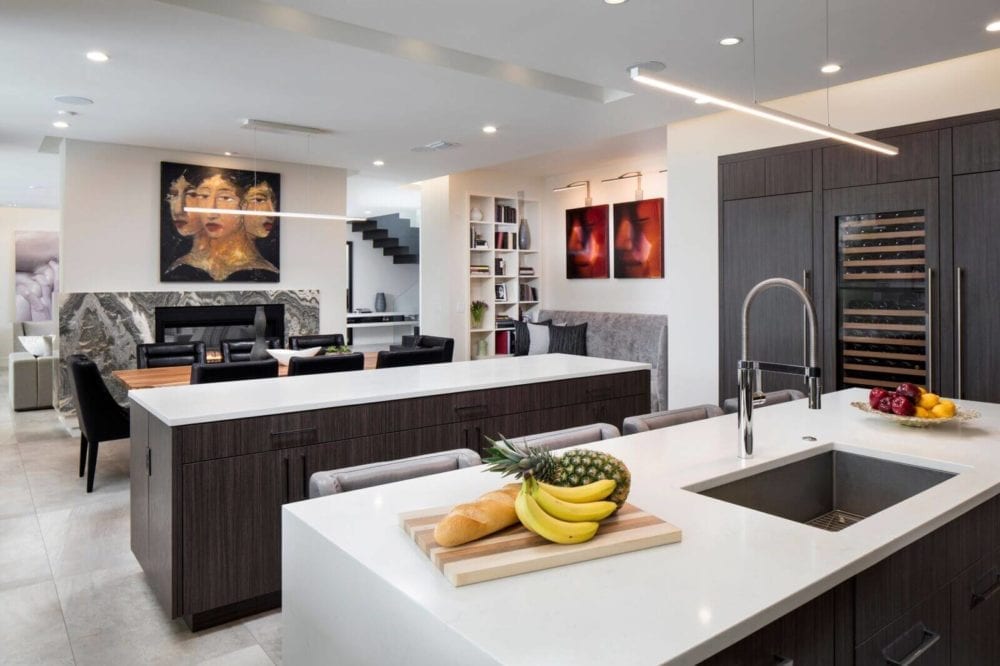
- Cabinet refacing or repainting: cost-effective alternative to full replacement.
- New countertops: quartz or granite add lasting appeal.
- Updated fixtures & hardware: modern faucets, cabinet pulls, and lighting go a long way.
- Energy-efficient appliances: stainless steel and ENERGY STAR-rated options attract buyers.
ROI: A minor kitchen remodel averages a 70–80% return nationally.
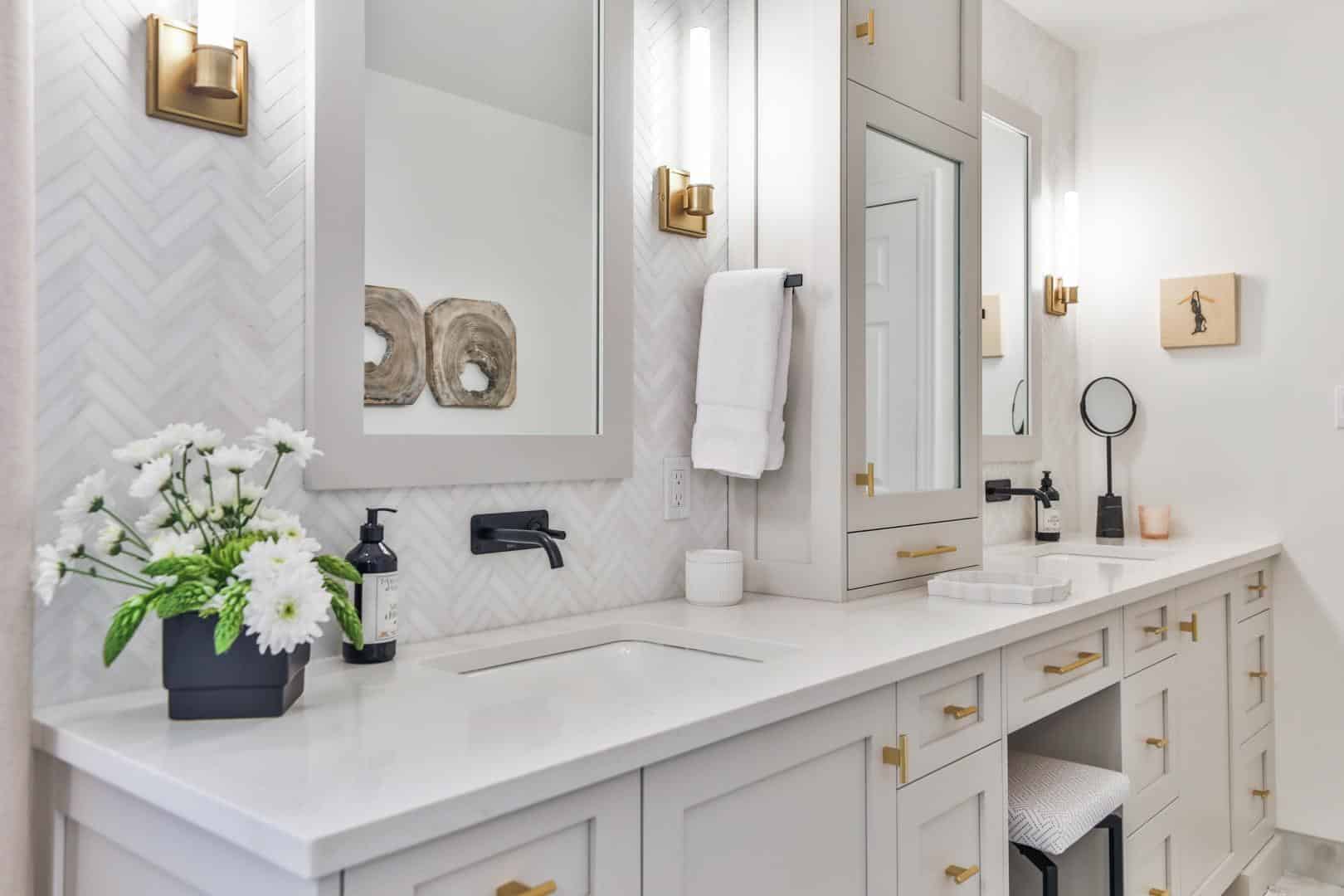
3. Bathrooms: Simple Updates, Big Impact
- Modern vanities & sinks.
- Frameless glass shower doors.
- New tile, grout, and fixtures for a clean, fresh look.
- Good lighting & mirrors to brighten space.
ROI: Bathroom remodels return 60–70%, with smaller updates often recouping more.

4. Flooring & Paint: Quick Value Boosts
- Fresh interior paint in neutral tones increases buyer appeal immediately.
- Replace carpet with hardwood, tile, or luxury vinyl plank—especially in Florida, where humidity makes tile and vinyl popular.
- Consistent flooring throughout improves flow and perceived size.
ROI: Paint can return over 100%, flooring updates average 70–80%.

5. Energy Efficiency & Smart Tech
- Impact windows & doors (especially important in Florida hurricane zones).
- Improved insulation & HVAC upgrades reduce utility bills.
- Smart thermostats, lighting, and security systems add convenience and marketability.
- Solar panels may increase appeal but ROI depends on buyer perception and financing.
ROI: Energy-efficient updates can save buyers money, making your home more competitive in the market.

6. Outdoor Living Spaces
- Screened patios / lanais are highly valued in Florida.
- Deck or patio upgrades extend usable living space.
- Outdoor kitchens or fire pits can appeal in higher-end markets.
ROI: Outdoor improvements average 55–75% return, but in Florida they often sell lifestyle, not just square footage.
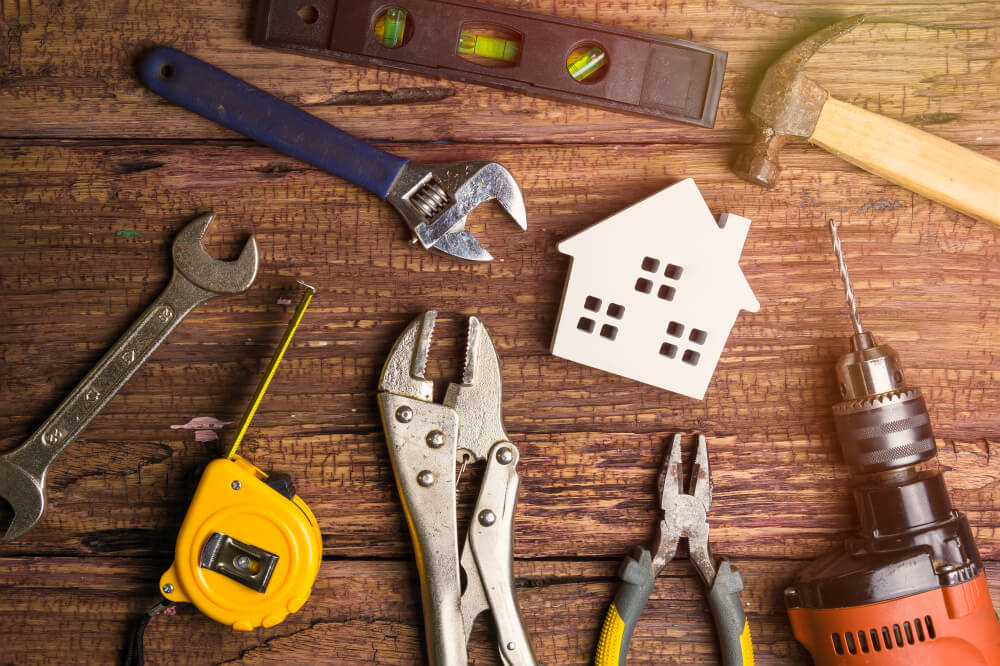
7. General Repairs & Maintenance
Before cosmetic upgrades, fix the basics:
- Roof in good condition.
- Plumbing and electrical systems functional.
- No visible water damage, mold, or pest issues.
- Clean, well-maintained HVAC.
ROI: Necessary repairs may not boost value dramatically but prevent appraisal hits and lost deals.
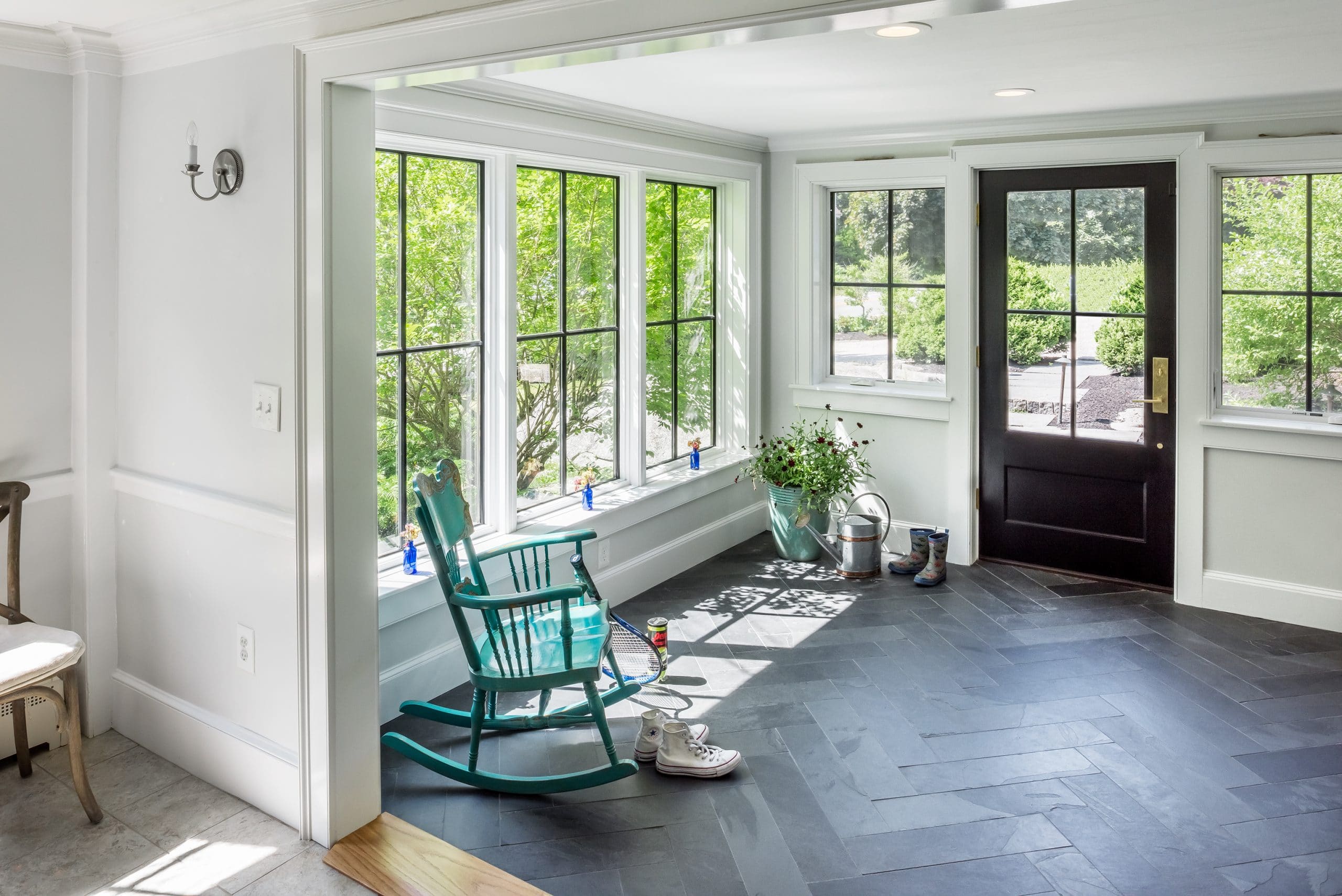
8. Add Livable Space (When Possible)
- Convert garages, attics, or screened porches into functional living space.
- Add a bedroom or bathroom if layout allows.
- Open floor plan adjustments: removing non-structural walls can modernize the layout.
ROI: Adding square footage tends to offer the highest value bump, especially bedrooms/bathrooms.
Final Takeaway
When updating your home for higher valuation, balance cost vs. return. In Florida, buyers especially value storm protection, energy efficiency, and outdoor living spaces. Start with curb appeal and necessary repairs, then focus on kitchens, bathrooms, and modern finishes for the biggest impact.
Lisa is a trusted realtor, helping buyers and sellers navigate the real estate process since 2018. She understands the financial and personal stakes in every transaction.


© 2025 All Rights Lisa Real Estate
- Privacy Policy
- Terms & Conditions