
Hurricane Preparedness for Florida Homebuyers
Buying a home in Florida means embracing sunshine, beaches, and vibrant communities—but also preparing for hurricane season. From June through November, tropical storms and hurricanes are a reality that can impact property values, insurance costs, and day-to-day safety. Here’s what Florida homebuyers should know.
1. Understand Hurricane Risks in Florida
- Geographic Exposure: All of Florida is at risk, though coastal regions (especially South Florida, the Panhandle, and areas along the Gulf of Mexico) are more vulnerable than inland areas.
- Season Timing: The peak of hurricane season is typically August through October, though storms can form earlier or later.
- Impact Areas: Hurricanes can bring high winds, storm surge, inland flooding, and extended power outages.
Tip for buyers: Check FEMA flood maps and ask about historical storm damage in the neighborhood.
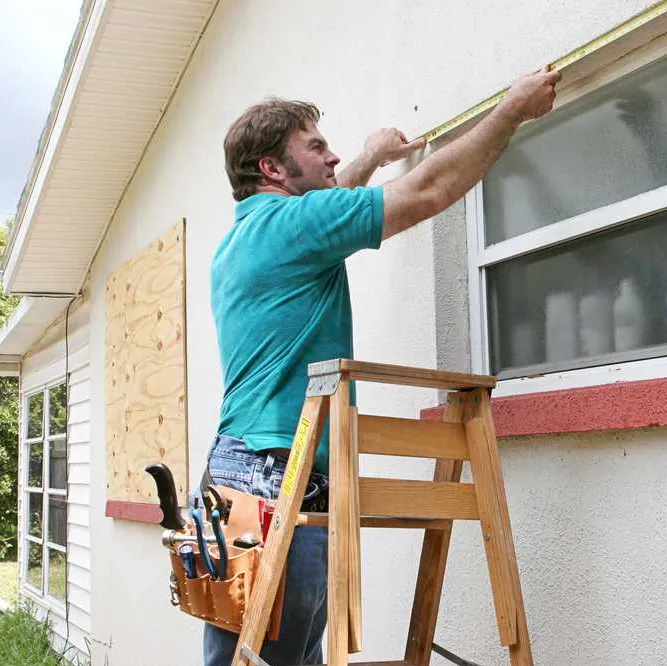
2. Building & Home Features to Prioritize
When shopping for a home in Florida, focus on features that reduce hurricane vulnerability:
- Impact-resistant windows & doors (or professionally installed shutters).
- Reinforced roofing systems — look for homes built after the Florida Building Code of 2002, updated after Hurricane Andrew to include stricter wind-resistance standards.
- Elevated foundation or homes built outside designated flood zones.
- Concrete block construction is stronger against high winds than wood-frame builds.
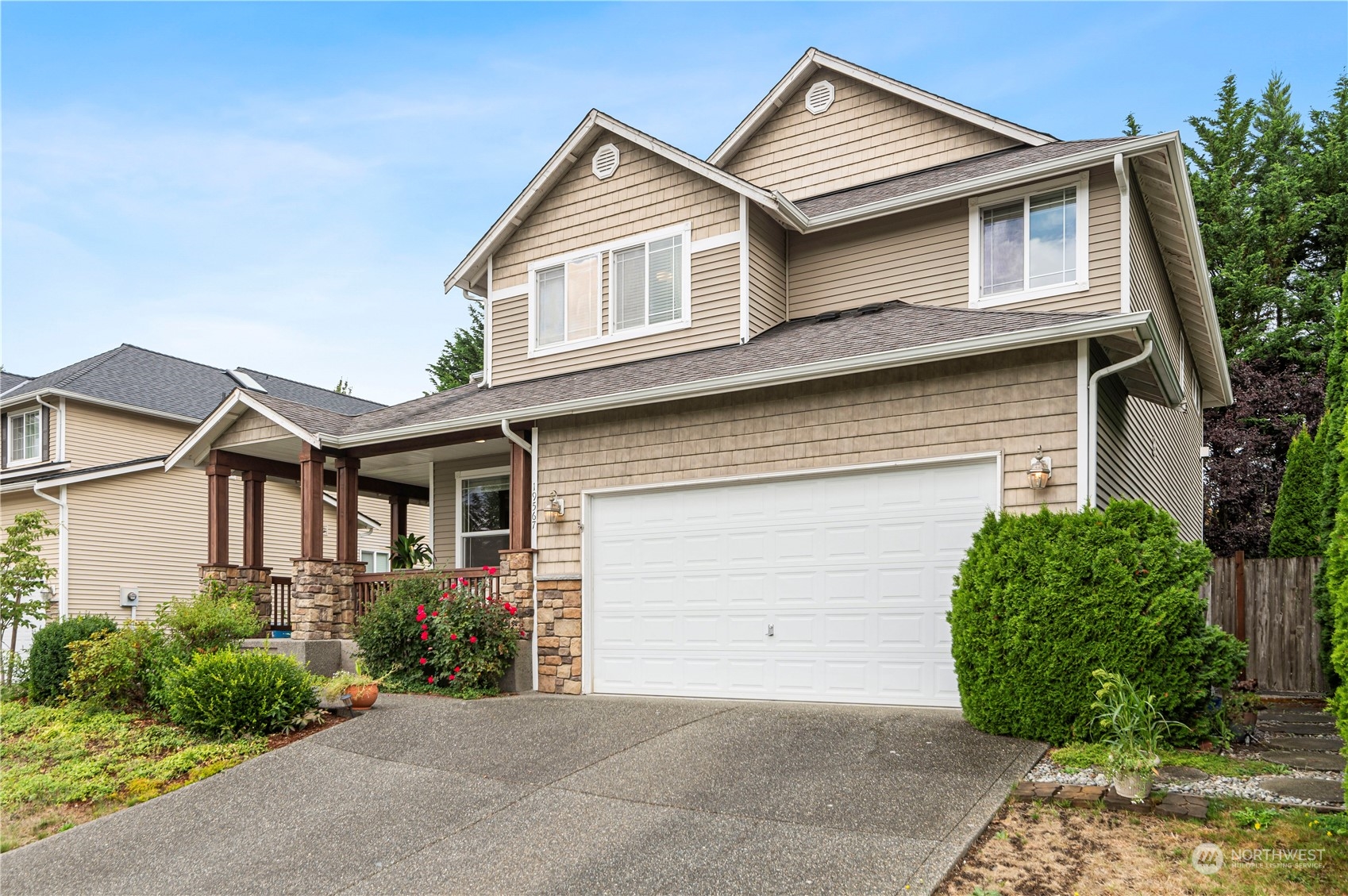
- Garage door bracing to prevent structural collapse.
3. Insurance Considerations
- Homeowners insurance in Florida often excludes flood damage—meaning you’ll need a separate flood policy if you’re in a flood zone (and often even if you’re not).
- Windstorm insurance may be a separate policy or rider depending on the carrier and location.
- Premiums vary widely based on the home’s age, construction, and location. For example, coastal homes tend to carry higher premiums than inland ones.
- Ask your insurance agent about wind mitigation credits. Many insurers offer discounts for features like impact windows, hurricane straps, or reinforced roofs.
4. Hurricane Prep Essentials for Homeowners
Even the best-built home requires preparation. Every Florida homeowner should:
- Create an emergency kit: water (1 gallon per person per day), nonperishable food, flashlights, batteries, first aid supplies, medications, and cash.
- Install surge protectors / backup power: consider a generator or solar battery system.
- Clear the yard: secure or store outdoor furniture, grills, and landscaping items.
- Trim trees: keep branches away from roofs, windows, and power lines.
- Secure important documents in waterproof containers (insurance policies, IDs, home deeds).
- Have an evacuation plan: know your zone, routes, and shelters.

5. What to Ask Before You Buy
When evaluating a property in Florida, ask these key questions:
- Has the home sustained hurricane damage in the past?
- What year was it built, and under which building codes?
- Is the home in a designated flood zone? (This affects insurance and mortgage requirements.)
- What hurricane protection features are included? (Windows, shutters, roof straps, elevation.)
- How much is the current homeowner paying for insurance?

6. Community & Local Preparedness
- Many Florida communities have HOA guidelines or county requirements for storm shutters and debris removal.
- Local governments issue evacuation notices and provide sandbags before storms.
- Neighborhoods with underground utilities often recover faster from outages than those with above-ground lines.

7. Long-Term Outlook
With climate change and rising sea levels, hurricanes are expected to grow in intensity. For homebuyers, this means:
- Insurance premiums may rise.
- Flood risk zones may expand.
- Resale values will increasingly hinge on a property’s storm resilience.
Being proactive about hurricane preparedness isn’t just about safety—it’s also about protecting your long-term investment.
Final Takeaway
For Florida homebuyers, hurricane prep is part of the lifestyle—but it doesn’t have to be intimidating. By choosing the right home features, securing proper insurance, and maintaining a clear plan, you can enjoy Florida living while staying protected during storm season.
Lisa is a trusted realtor, helping buyers and sellers navigate the real estate process since 2018. She understands the financial and personal stakes in every transaction.


© 2025 All Rights Lisa Real Estate
- Privacy Policy
- Terms & Conditions